

Description
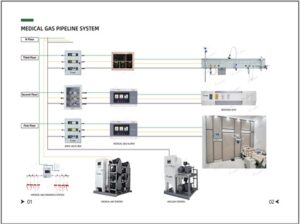
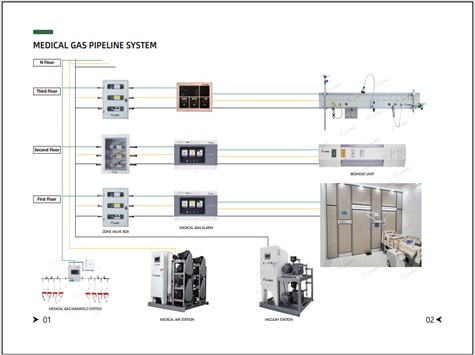
Medical Gas Pipeline System (MGPS) is a centralized hospital infrastructure that safely supplies medical gases such as oxygen, medical air, nitrous oxide, and vacuum from a central source to different patient care areas through fixed pipelines. It ensures continuous, reliable, and contamination-free gas delivery to ICUs, operation theatres, wards, and emergency rooms, while complying with international safety standards and providing monitoring, alarms, and isolation controls for patient and staff safety.
A Medical Gas Pipeline System (MGPS) is a centralized infrastructure in healthcare facilities that safely delivers medical gases such as oxygen, medical air, nitrous oxide, and vacuum suction from a central source to clinical areas like ICUs, OT theaters, wards, and emergency rooms through a network of pipes, valves, outlets, and alarms. It ensures continuous, controlled, and contamination-free gas delivery that meets international hygiene and safety standards.
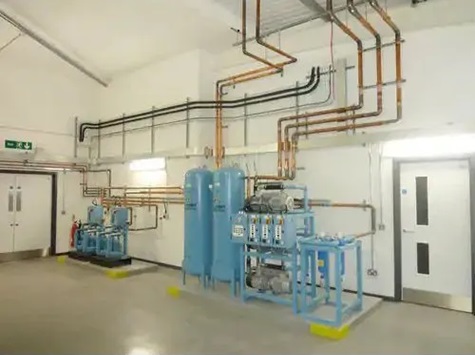
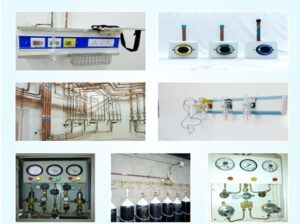
01 Supply Source Systems:
These generate or supply the gas to the pipeline:
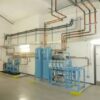
PSA Oxygen Generators – Generate medical oxygen on-site from ambient air
Liquid Oxygen (LOX) Tanks – Stored as cryogenic liquid, vaporized and sent into the pipeline
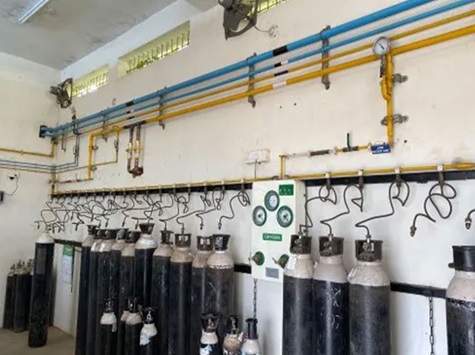
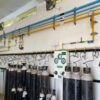
Cylinder Manifolds – Banks of high-pressure cylinders with automatic changeover
Each type is chosen based on hospital size, footprint, and oxygen demand.
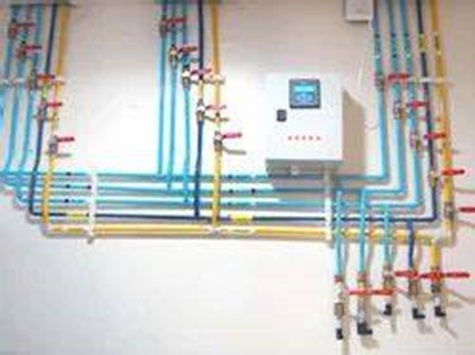
02. Distribution Pipeline Network:
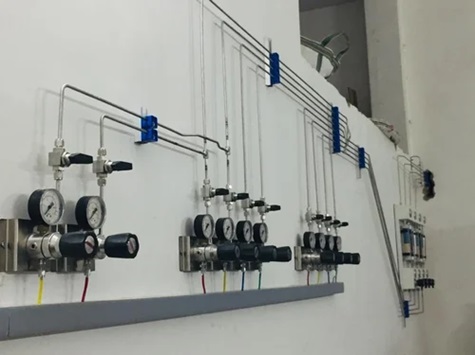
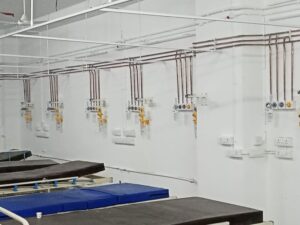
Copper Medical-Grade Pipes (BS/EN or ASTM standard)
Fittings, elbows, tees, and supports
Pressure regulators and gauges
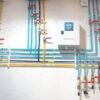
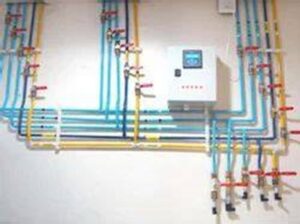
Zone valve boxes (ZVB) to isolate sections
Master & area alarm panels
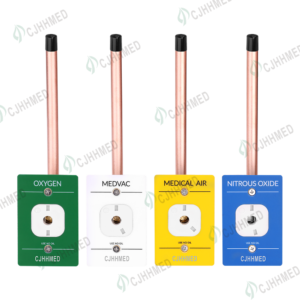
These systems follow color-coding and safety standards to avoid mistakes.
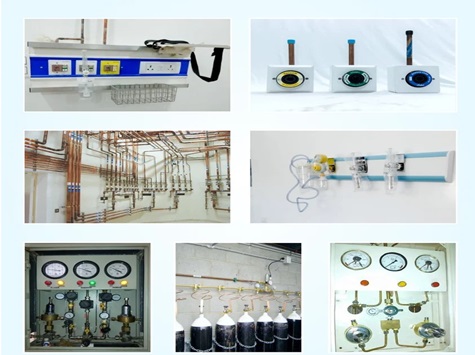
3. Terminal Devices:
Terminal outlets and devices where clinicians connect equipment:
Oxygen outlets
Vacuum suction outlets
Medical air outlets
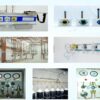
Bed-head panels
Pendants


Reviews
There are no reviews yet.